Home Window Tinting: Benefits, Types, and Guide
By Logan
February 6, 2026
6 min read
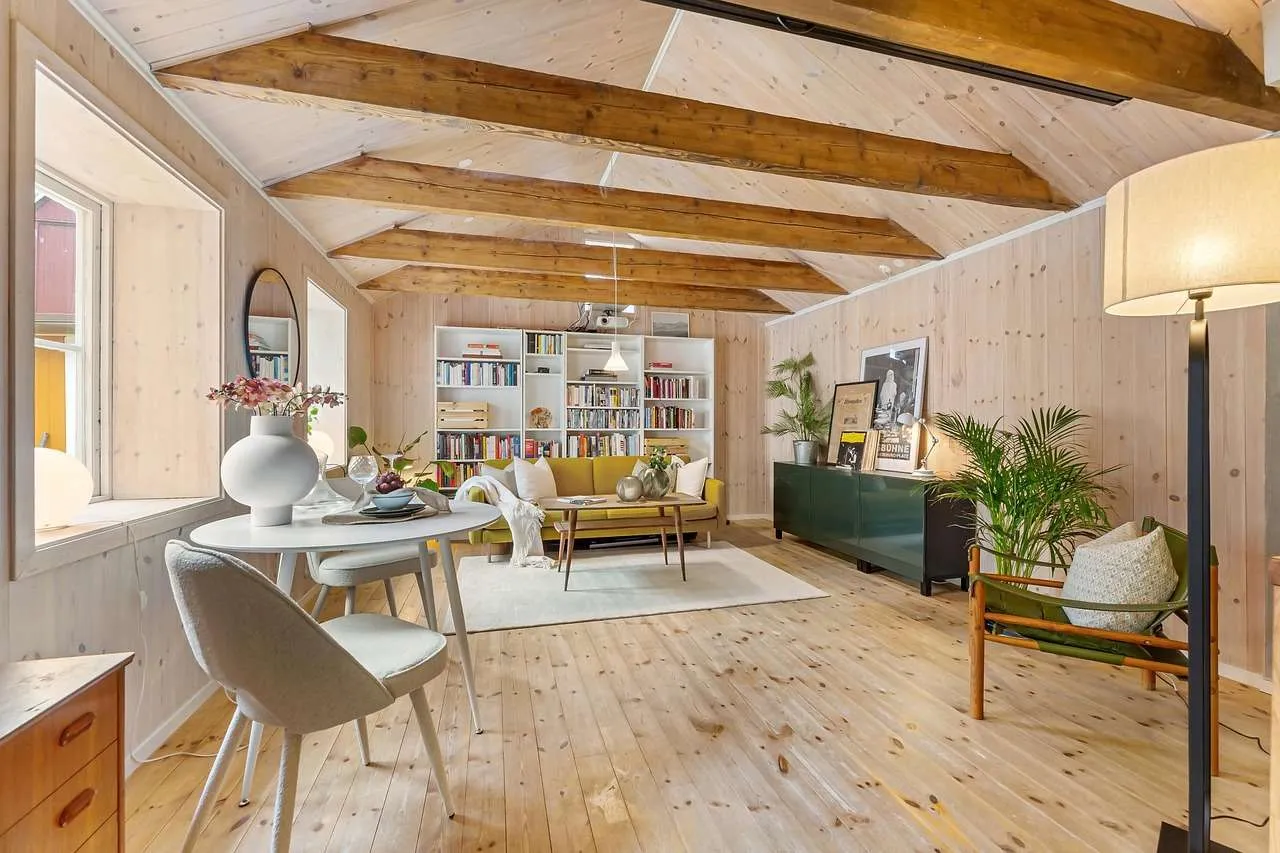
Home window tinting is a practical upgrade for houses of every size. It helps reduce heat, protect interiors from UV damage, and improve daily comfort without sacrificing natural light. With the right film and professional installation, you can enhance energy efficiency, privacy, and curb appeal in a single project.
What is home window tinting?
In residential settings, home window tinting uses thin films applied to interior glass to filter sunlight. Modern films block ultraviolet rays, minimize glare, and adjust heat transfer while preserving visibility. A professional install ensures proper adhesion and avoids bubbles or premature failures.
Benefits of home window tinting
- UV protection reduces interior fading and skin exposure from sunlight.
- Energy savings by reducing heat gain in summer and heat loss in winter.
- Glare reduction improves comfort for screens, reading, and daily tasks.
- Increased privacy without sacrificing daylight.
- Enhanced safety and security by holding glass together if shattered.
- Aesthetic consistency that can complement modern or traditional homes.
How home window tinting works
Window films are multilayer constructs that absorb, reflect, or transmit different portions of the light spectrum. Ceramic films offer high infrared rejection without metal, preserving signal integrity for phones and Wi‑Fi. Metalized films reflect heat but can interact with electronics and may produce a reflective appearance. Dyed and composite films provide affordable options with varying levels of performance. Professional installers evaluate sun exposure, room usage, and climate to select a film that balances light, color, and durability.
Types of window films
Dyed window film
Dyed films are the most affordable option and provide noticeable heat reduction and privacy. They are less durable over time and can fade or become brittle with high sun exposure.
Metalized film
Metalized films reflect a portion of infrared light and offer strong glare control. They can interfere with some electronics and may create a mirrored look, especially in bright conditions.
Ceramic film
Ceramic films deliver excellent UV protection, high IR rejection, and are non reflective. They maintain clarity, resist fading, and do not interfere with signals, making them a popular choice for homes with electronics and smart systems.
Composite film
Composite films combine multiple layers to balance cost, durability, and performance. They can provide good heat rejection without the drawbacks of metalized films.
Security film
Security films add an extra layer of strength to glass, helping hold shards together during impact. They are often used in ground-level windows or areas with higher risk, and can be paired with decorative or privacy films for a layered effect.
Choosing the right film for your home
Start by assessing your climate, orientation of sun exposure, and room function. For living rooms and sun-facing windows, prioritize high IR rejection and UV protection. If privacy is a concern on street-facing sides, consider films with higher visible light transmission that still offer privacy. For homes with Wi‑Fi devices, ceramic films minimize interference. A reputable installer can provide samples, help you choose the right shade, and ensure consistent color throughout the project.
Installation options
Most homeowners hire a professional for a flawless finish and warranty coverage. Installation typically involves cleaning and prepping the glass, applying the film, trimming excess, and pressing out bubbles. DIY kits exist but require precision, a steady hand, and proper safety measures. Professionals can assess seal integrity, frame condition, and compatibility with multi-pane windows to avoid future issues.
Costs and potential savings
Costs vary by film type, window size, and labor, but residential window tinting generally ranges from a few dollars per square foot to higher-end options. Typical installed prices fall roughly in the mid to high single digits per square foot, with larger or heavily tinted homes costing more. While upfront investment can be significant, you may see energy savings, reduced cooling loads, and extended interior life for furniture and flooring over time. A reputable installer can provide a precise quote and a projected return based on your climate and energy usage.
Legal and safety considerations
Local tint laws govern visible light transmission on exterior and adjacent windows. Some areas restrict dark films on front-side windows or require specific reflectivity levels. Always verify local regulations before choosing a shade, and ensure the product meets safety standards when safety is a priority. A licensed installer can help navigate compliance and obtain any required permits.
Maintenance and care
Maintenance is straightforward: wait for the film to cure after installation, then clean with mild soap and water or a dedicated film cleaner. Avoid ammonia-based or abrasive cleaners, which can degrade the film over time. Periodic inspection for edge lifting or bubbles helps ensure long-term performance, and a professional reapplication is often recommended every 10 to 15 years depending on climate and film type.
Film Type Comparison
| Film Type | UV Rejection | Privacy | Glare Reduction | Durability | Cost |
|---|---|---|---|---|---|
| Dyed | Moderate | Low to Moderate | Moderate | Lower durability | Low |
| Metalized | High | Moderate to High | High | Moderate | Medium |
| Ceramic | Very High | High | High | Very Durable | High |
| Composite | High | Moderate | Moderate | Good | Medium to High |
| Security | High | Variable | Low to Moderate | Very Durable | Medium |
Maintenance checklist and best practices
Keep samples of installed film for warranty and future matching. Schedule inspections after major weather events, and replace peeling edges promptly. If you plan renovations or window replacements, coordinate with the tinting project to maintain color consistency and warranty validity.
Conclusion, home window tinting delivers a blend of comfort, protection, and style. By understanding film types, installation options, and legal considerations, you can choose the right solution for your climate and lifestyle. Pair professional installation with a clear maintenance plan to maximize performance and value over time.